
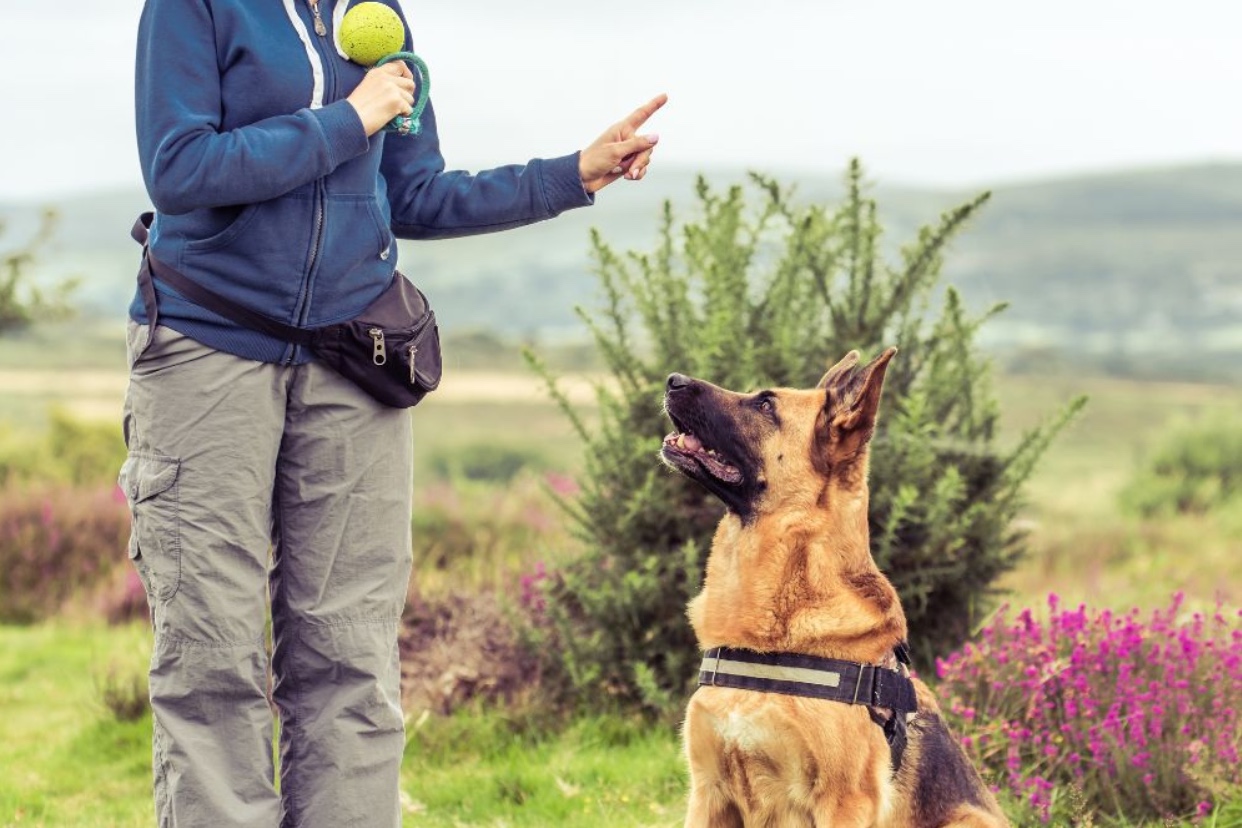
Finding the right dog trainers in Metro West MA can feel harder than it should. One trainer advertises puppy classes. Another focuses on behavior modification. Another uses balanced tools. Another is fully force-free. If you live near Holliston, Framingham, Natick, Hopkinton, Ashland, Marlborough, or Maynard, the real question is not “Who is closest?” It is “Who is the right fit for this dog, in this household, with this problem?”
This guide compares ten local and regional options by training style, best use case, and what to ask before booking.
Key Takeaways
- The best trainer depends on your dog’s age, temperament, behavior history, and your ability to practice at home.
- Puppy training, leash reactivity, obedience, board-and-train, and e-collar work require different skill sets.
- Positive reinforcement should be the foundation of any modern training plan, even when a trainer uses balanced tools.
- For behavior issues such as aggression, separation anxiety, or serious fear, ask about credentials, safety planning, and whether veterinary behavior support is needed.
- Do not choose a trainer only because they show up for “dog trainers near me Massachusetts.” A good consultation should explain the method, homework, and progress markers.
How to Compare Dog Trainers in Metro West MA
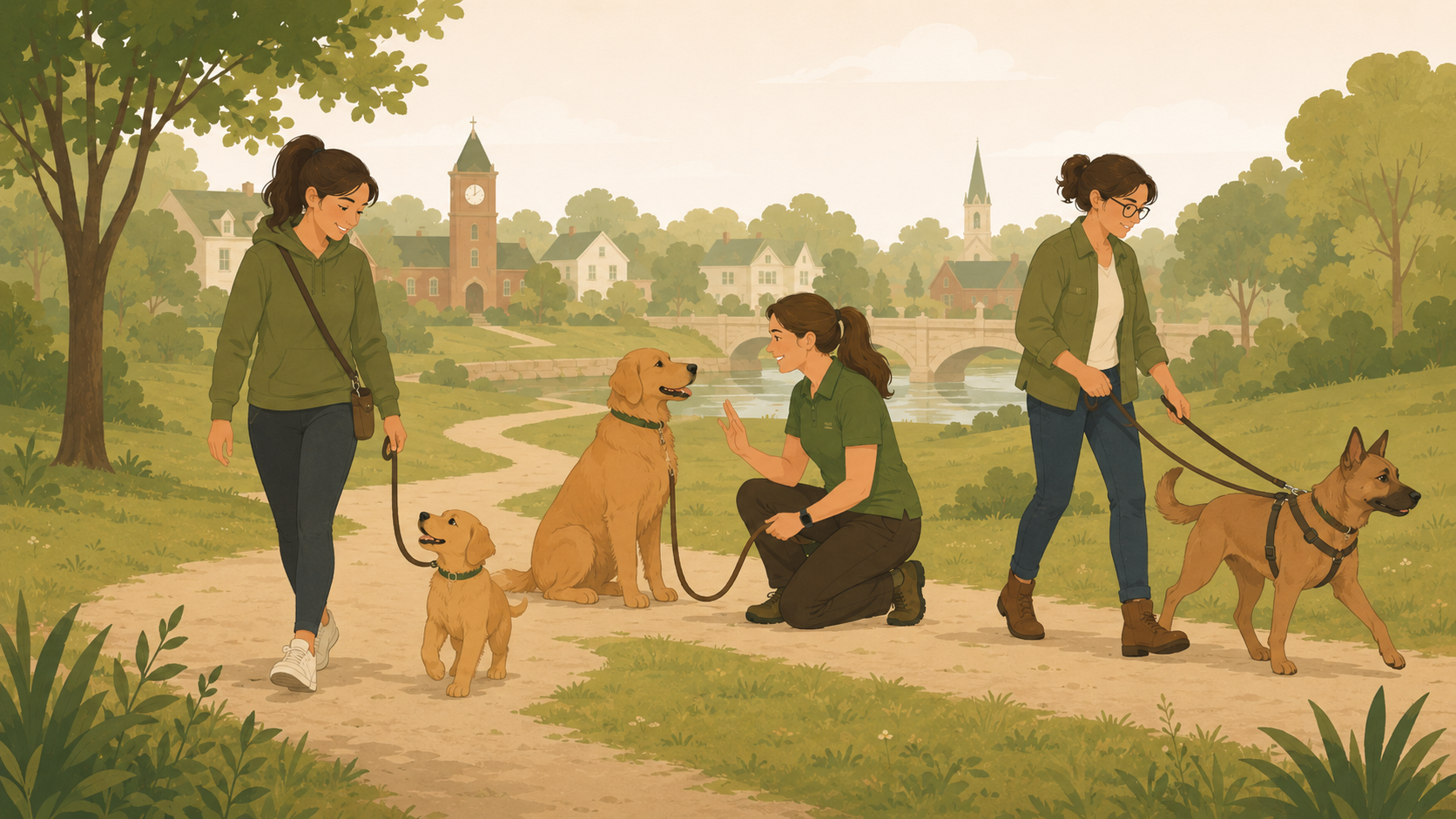
A strong dog trainer should be able to explain three things clearly: what they will teach, how they will teach it, and how you will maintain it at home. That last part matters most. A dog can look great in a training room but still pull toward another dog outside a Natick coffee shop, bark at guests in a Holliston kitchen, or ignore recall on a long line near the Upper Charles Trail.
When comparing dog trainers in Metro West MA, look beyond the service name. “Obedience,” “behavior modification,” and “puppy training” can mean very different things from one business to another. A useful training plan should include a starting assessment, measurable goals, owner coaching, practice instructions, and a realistic explanation of what may take weeks versus months.
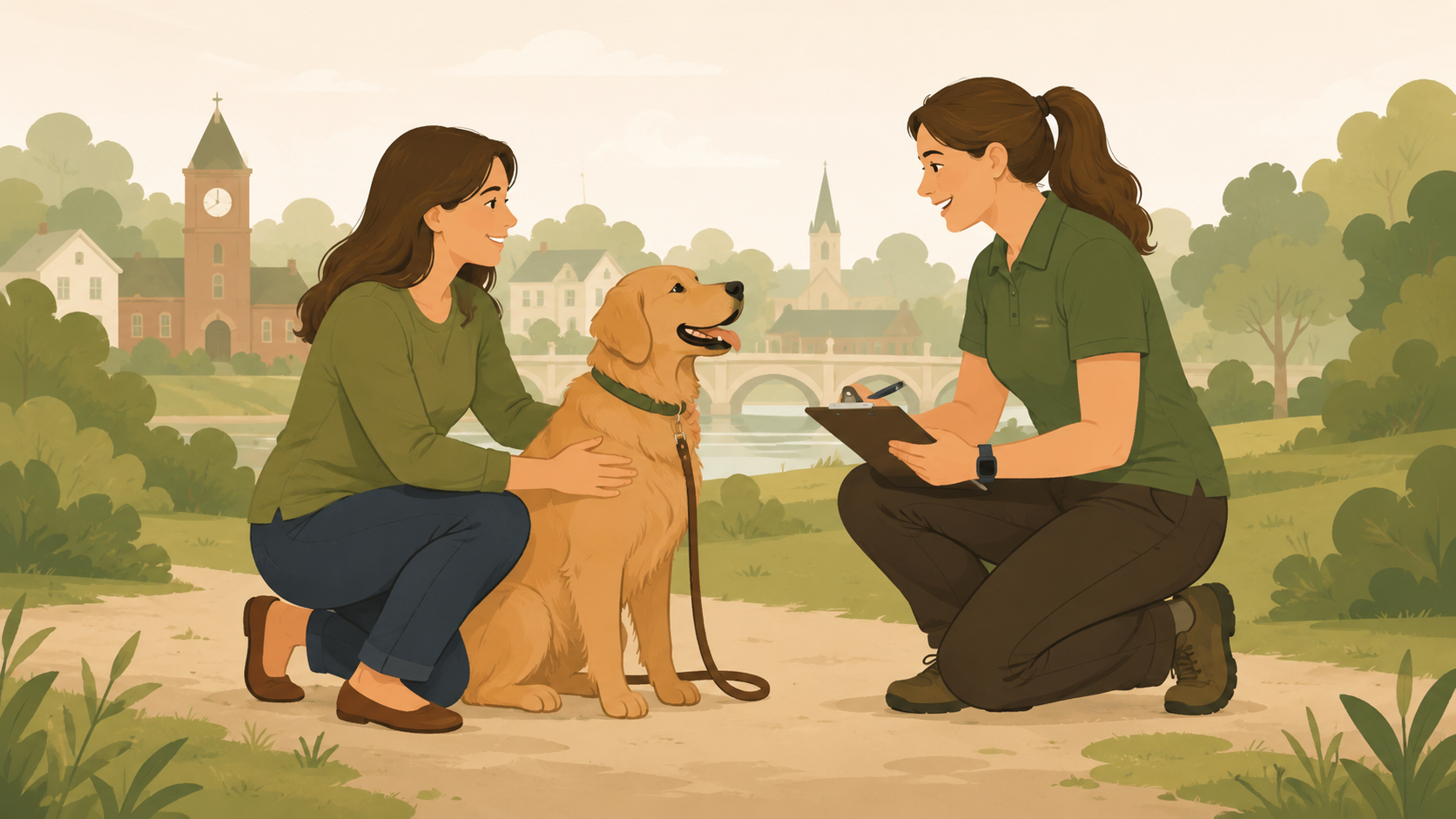
For a deeper checklist, review this guide on choosing a local dog trainer. It covers red flags such as vague promises, no written plan, and unclear handling methods.
Top 10 Dog Trainers in Metro West, MA
This list is not a generic “best rated” roundup. It is organized by fit, based on public service information, local relevance, and the kinds of dog owners commonly searching for dog obedience training in Metro West.
1. The Happy Retriever
Location focus: Holliston and Metro West
Best for: Puppy training, obedience, behavior support, structured training, continuing education
Training style: Positive reinforcement with balanced training approaches when appropriate
The Happy Retriever is a strong fit for families looking for a local training facility near Holliston that offers several paths under one roof. That matters when you are not sure whether your dog needs puppy foundations, obedience, behavior support, socialization, or follow-up training after the first program.
The training services include puppy training, group classes, basic obedience, and advanced obedience options. If your dog needs more structure than weekly lessons can provide, compare the available dog training programs in Metro West before deciding whether a class, private plan, or more intensive support makes sense.
This is a good match for owners who want practical real-life skills: leash manners, recall, calm greetings, crate comfort, and better household routines. It is also useful if you want continuing support after the first phase of training rather than a one-time handoff.
Ask before booking: What program fits my dog’s current age and behavior, and what should I expect to practice at home each week?
2. Ready Dog Training
Location focus: Natick and nearby towns
Best for: In-home private lessons, puppy behavior, leash pulling, barking, jumping, positive reinforcement
Training style: Least intrusive, minimally aversive methods with a positive reinforcement focus
Ready Dog Training is a good fit for families searching for dog training Framingham / Natick MA, especially when the problem happens inside the home or on familiar neighborhood walks. In-home training can be useful for door barking, counter surfing, puppy nipping, crate struggles, or leash pulling that appears as soon as you leave the driveway.
A major benefit of this model is context. The trainer can see your actual setup: where the crate is, how guests enter, where the dog reacts from the window, and how the leash routine starts. That can lead to more realistic homework than a one-size-fits-all class.
Ask before booking: Can you show me what to do between sessions and how to tell whether the behavior is improving?
3. Must Love Dogs
Location focus: Framingham, Natick, Ashland, and surrounding MetroWest towns
Best for: Gentle puppy and family dog training
Training style: Reward-based training
Must Love Dogs is a practical choice for owners who want a gentle, humane approach to everyday pet dog training. This type of training is often best for puppies, newly adopted dogs, and family dogs who need clearer communication rather than intensive behavior modification.
If your dog is not aggressive or severely reactive but needs better leash manners, recall basics, polite greetings, or calmer household habits, a reward-based local trainer can be the right first step. This is especially true for families who want children and adults in the home to use the same cues and reinforcement routine.
Ask before booking: Do you offer a written training plan for the family so everyone uses the same cues?
4. New England K-9 School for Dogs
Location focus: Hopkinton, Worcester, MetroWest, Framingham, Milford, Franklin, and Bellingham
Best for: Private obedience lessons, problem behaviors, long-established local training
Training style: Private personalized programs
New England K-9 is one of the more established names for dog training Hopkinton MA. It may be a fit for owners who prefer private lessons by appointment and want help with basic obedience, housebreaking, problem behaviors, or puppy consultations.
Hopkinton owners often need training that transfers into daily life: trail walks, yard recall, visiting family homes, and busy local settings. A private program can be useful when group classes are too distracting or when the dog needs a plan built around one specific issue.
Ask before booking: How do you move a dog from controlled practice to real-world distractions?
5. Dingo Dog Studio
Location focus: Natick and surrounding areas
Best for: Behavior modification, reactivity, resource guarding, fearful dogs, rescue dogs, family-child dynamics
Training style: Positive, behavior-focused coaching
Dingo Dog Studio is a strong option for owners who need more than basic obedience. Dogs with reactivity, fear, resource guarding, or complicated rescue histories often need a behavior plan, not just commands.
This is where credentials and experience matter. A dog that barks at other dogs on leash may need distance work, counter-conditioning, management changes, and owner timing. A newly adopted dog that guards food or toys may need safety protocols before any obedience work begins.
Ask before booking: Have you worked with this specific behavior before, and what safety management should we start immediately?
6. Spot On Pup Training
Location focus: Boston MetroWest area
Best for: Puppy training, newly adopted dogs, reward-based board-and-train, therapy or service foundations
Training style: Reward-based training
Spot On Pup Training is a good fit for owners who want a certified trainer with a strong puppy and family-dog focus. The service mix is especially relevant for people bringing home a young dog and wanting to prevent future frustration around crate training, leash manners, socialization, and basic cues.
This may also be worth considering if you are comparing class-style puppy training Metro West MA with a more personalized program. Puppies do best when training is short, repeated, and woven into normal routines. The trainer should show you how to reward the behavior you want before unwanted habits become rehearsed.
Ask before booking: What should my puppy know by the end of the program, and how do we handle socialization safely?
7. Cavalletto Canine
Location focus: Wellesley, Weston, Newton, Chestnut Hill, Needham, Dover, and nearby MetroWest communities
Best for: Relationship-based private training, behavior consultation, owner-dog communication
Training style: Relationship-based and behavior-informed
Cavalletto Canine is a fit for owners who want private, coaching-heavy training rather than a basic group class. The approach is centered on communication, relationship, and behavior, which may appeal to families who want to understand why the dog is acting a certain way instead of only stopping the visible behavior.
This can be helpful for adolescent dogs. Many dogs look “trained” at five months, then seem to forget everything around nine to 18 months when confidence, hormones, and environmental interest increase. A trainer who coaches the owner through that stage can prevent normal adolescent behavior from turning into long-term patterns.
Ask before booking: How do you involve the owner during lessons, and what does progress look like after the first consultation?
8. Dog Training Elite Boston Metro
Location focus: Greater Boston, including Holliston and Framingham area pages
Best for: In-home obedience, anxiety and aggression support, service dog training, therapy dog training
Training style: Owner-involved programs with multi-environment practice
Dog Training Elite may be a fit for owners who want a structured, owner-involved program and need help with obedience, leash walking, recall, barking, jumping, or reactivity. It also lists service dog and therapy dog training options, which may matter for households with more specialized goals.
This is a franchise-style option, so your experience may depend on the local team, trainer fit, and the specific package. Ask detailed questions during the assessment. You want to know who will work with your dog, what tools they use, how they handle stress signals, and how much practice happens in your actual environment.
Ask before booking: Who will be training my dog, what methods do they use, and how do you adjust for fear or anxiety?
9. Well-Balanced Dog Training
Location focus: Maynard and nearby MetroWest towns
Best for: Board-and-train, puppy obedience, behavior modification, reactive dog classes, balanced training discussions
Training style: Balanced and positive reinforcement blend
Well-Balanced Dog Training is a relevant option for owners specifically comparing balanced vs positive reinforcement dog training. Their services include board-and-train, one-on-one training, puppy obedience, behavior modification, reactive dog classes, and structured play groups.
This type of program may appeal to owners whose dogs need a more immersive setting or who want help with mild separation anxiety, barking, resource guarding, leash reactivity, or aggression. If you are considering any board-and-train option, make sure you understand what your dog will learn, where they will stay, how progress is documented, and what transfer lesson you receive when your dog comes home. This board-and-train guide explains what to look for before committing to a residential or immersive program.
Ask before booking: What tools are used, how are they introduced, and what support do I receive after the program?
10. Golden Paw Pet Services
Location focus: Marlborough and surrounding MetroWest areas
Best for: Local obedience, puppy training, leash pulling, barking, in-home or on-site support
Training style: Positive reinforcement and clear communication
Golden Paw Pet Services is a useful option for dog owners near Marlborough who want training connected to everyday care. Since the business also offers pet care services, it may suit owners who want training reinforced through walks, daycare, or sitting routines.
That can be helpful for dogs who need consistency more than complexity. For example, a dog that pulls hard near the Assabet River Rail Trail does not only need a “heel” cue. The dog needs the same leash rules, reward timing, and reset routine every time they go outside.
Ask before booking: Can your team reinforce the same training plan during walks or care visits?
Balanced vs Positive Reinforcement Dog Training
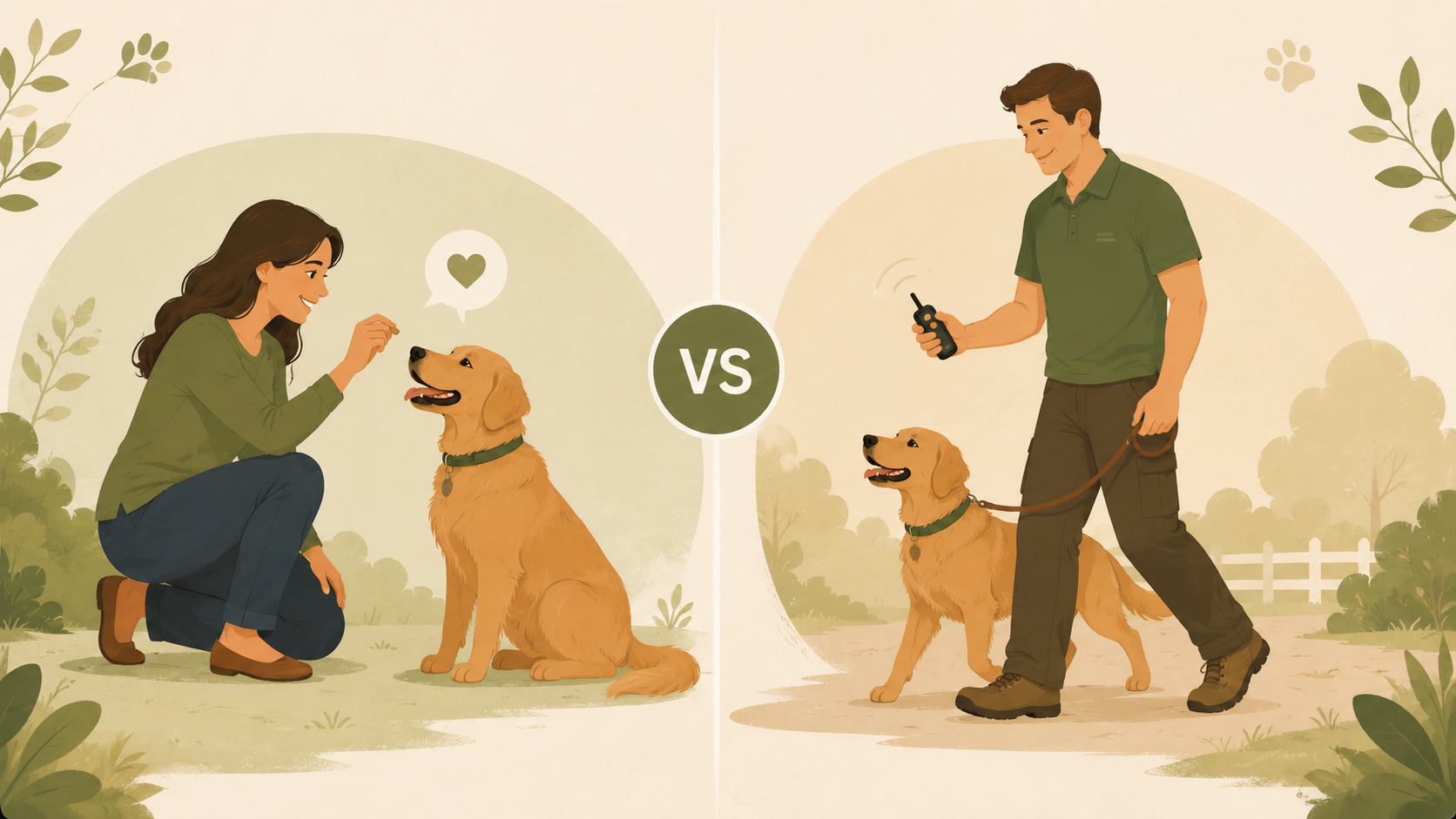
One of the biggest decisions for MetroWest owners is training style. Search results often mix force-free trainers, positive reinforcement trainers, balanced trainers, and programs that mention tools such as prong collars or e-collars. The labels can be confusing.

The American Veterinary Society of Animal Behavior states that evidence supports reward-based methods for canine training and that reward-based learning offers the most welfare advantages and least harm to the dog. You can read the full AVSAB humane dog training position statement for the research-based position.
The Association of Professional Dog Trainers also describes LIMA, or “least intrusive, minimally aversive,” as a framework that uses the least intrusive effective strategy while minimizing risk of aversive side effects. Their training methodologies page is useful when you are trying to understand trainer language.
If you are searching for e-collar dog training Massachusetts, do not book based only on before-and-after videos. Ask the trainer to explain the conditioning process, the lowest working level, whether the dog can opt out, and what non-collar foundation is taught first. A well-run program should be able to explain timing, reinforcement, pressure, release, and welfare without getting defensive.
For everyday pet dogs, your first question should always be: “What do we want the dog to do instead?” That question leads to better training. A dog that jumps on guests can learn to go to a mat. A dog that barks at windows can learn a recall cue away from the glass. A dog that pulls toward other dogs can learn to check in and move away before reaching the end of the leash.
Which Trainer Fits Your Dog’s Situation?
The right fit depends on the problem you are trying to solve. A puppy who bites sleeves needs a different plan than a three-year-old rescue dog who growls over food. A Lab who ignores recall on open trails needs a different plan than a doodle who panic-barks when left alone.
The American Kennel Club’s Canine Good Citizen program is a helpful benchmark for public manners because it focuses on practical skills like greeting politely, walking on leash, reacting calmly to distractions, and coming when called. Your dog does not need to earn a title for these skills to matter. They are useful for normal life in MetroWest neighborhoods, parks, vet offices, and family gatherings.
A simple example: if your dog barks at people passing the living room window, a generic “stop barking” plan may fail. A better plan changes the environment, teaches a recall away from the window, rewards calm observation at a manageable distance, and gives the dog a replacement job. That is the kind of detail you want to hear from a trainer during the first call.

Questions to Ask Before Booking
A good trainer will welcome specific questions. If they cannot explain their process in plain language, keep looking.
Ask these before you pay a deposit:
- What training methods and tools do you use most often?
- How do you decide whether a dog needs group class, private lessons, or board-and-train?
- What happens if my dog is fearful, reactive, or too overwhelmed to work?
- Will I receive written homework or a practice plan after each session?
- How do you measure progress beyond “the dog seems better”?
- Do you offer follow-up support after the main program?
- Can you explain what I should practice for ten minutes a day?
- What behaviors are outside your scope, and when would you refer to a veterinary behaviorist?
For serious behavior concerns, ask one more question: “What is the safety plan before training starts?” The answer should include management, not just obedience. Management may mean gates, leashes, muzzle conditioning, distance from triggers, feeding routines, or changes to guest interactions.
Also pay attention to how the trainer talks about your dog. Good trainers are honest, but they should not shame you or label your dog as stubborn, dominant, bad, or hopeless. Clear feedback is helpful. Blame is not.
If you complete a first program and want to keep building skills, ongoing support can make a big difference. Continuing lessons, structured practice, and advanced work help prevent the common pattern where a dog improves for a few weeks, then slowly returns to old habits. That is why many owners benefit from continuing dog training support after the first round of lessons.
A trainer should leave you with more confidence, not more confusion.
The best choice is not always the nearest name on the map. It is the trainer who can explain your dog’s behavior clearly, teach you what to do next, and build a plan that works in your real life. For most MetroWest families, that means choosing a trainer who combines skill, transparency, owner coaching, and practical follow-through.
FAQs
Who is the best dog trainer near Holliston MA?
The best dog trainer near Holliston MA depends on your dog’s needs. The Happy Retriever is a strong local option for families who want puppy training, obedience, behavior support, and continuing services in one Metro West location. If your dog has severe aggression, bite history, or medical anxiety, ask whether the trainer works with a veterinarian or veterinary behaviorist.
How much does dog training cost in Metro West MA?
Pricing varies by trainer, format, and behavior complexity. Group puppy classes usually cost less than private in-home lessons, while board-and-train programs are more expensive because they include daily handling, structure, and follow-up. Always ask what is included: assessment, written homework, transfer lesson, follow-up support, and supplies.
Is positive reinforcement better than balanced dog training?
Positive reinforcement is the safest foundation for most pet dog training because it teaches the dog what to do and builds trust. Balanced training varies widely, so the quality depends on the trainer’s timing, ethics, tool use, and ability to read stress. Ask any balanced trainer to explain exactly when corrections are used and how they protect the dog’s welfare.
Should I choose group classes or private lessons?
Choose group classes for puppy socialization, basic manners, and dogs who can learn around mild distractions. Choose private lessons if the behavior happens at home, your dog is reactive, or your schedule needs more flexibility. Some dogs benefit from starting privately, then moving into a class once they have better focus.
Is board-and-train worth it for obedience training?
Board-and-train can be useful for jump-starting obedience, leash manners, and behavior routines, especially for busy owners. The risk is poor transfer back home if the owner is not coached properly. A good board-and-train program should include updates, a handoff lesson, written instructions, and follow-up support.
Can dog training help with leash reactivity?
Yes, but leash reactivity usually needs more than obedience commands. A good plan may include distance work, counter-conditioning, pattern games, handler timing, and management so the dog does not keep rehearsing lunging or barking. Look for a trainer with specific reactivity experience, not just general obedience experience.
What should I bring to the first dog training session?
Bring your dog’s regular leash, harness or collar, high-value treats, vaccination records if requested, and a list of your top three goals. Be ready to describe when the problem happens, what usually happens before it, and what you have already tried. Videos can help if the behavior is safe to record and does not put anyone at risk.