
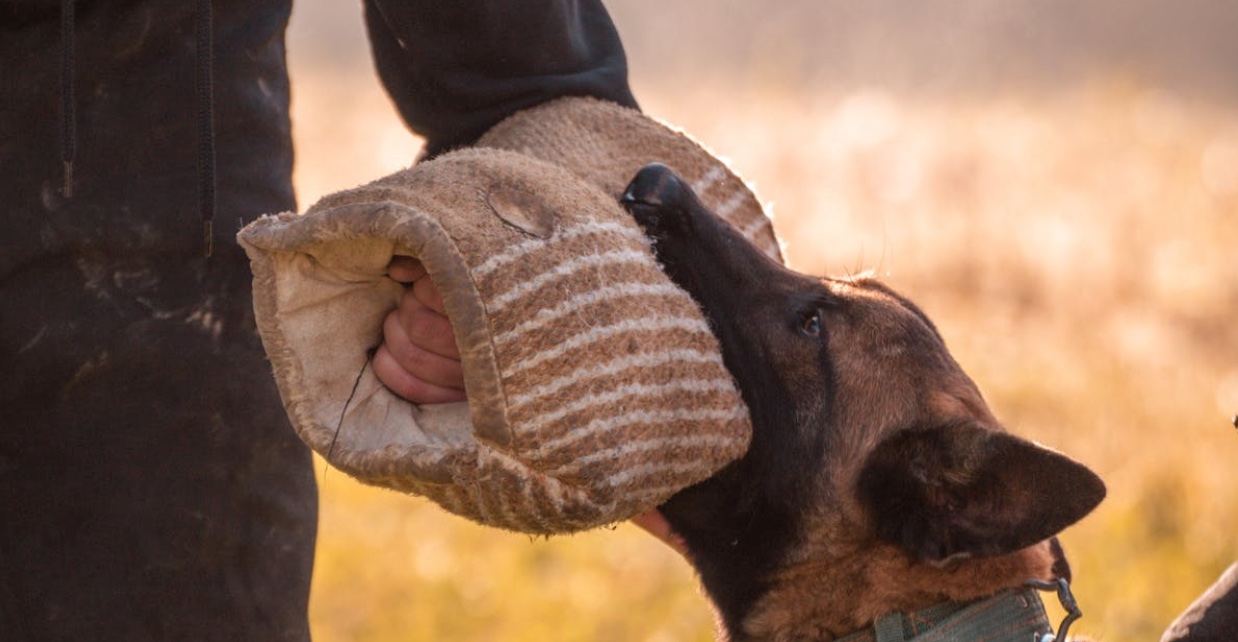
If you're looking for a way to improve your dog's behavior efficiently, a board and train program might be the solution you need, allowing you to train your dog effectively. This training approach offers an immersive experience where a professional dog trainer works closely with your dog over a set period, focusing on obedience, socialization, and specific behavioral issues. Whether you have a new puppy or an older dog with reactivity or leash problems, understanding how board and train works can help you decide if it's the right step to enhance your life of dog ownership.
Key Takeaways
- Board and train for dogs programs offer intensive, professional training by having your dog live with a certified trainer, enabling fast and effective behavior modification, especially in a kennel setting.
- These programs cater to various needs, including basic obedience, puppy socialization, and behavior issues like leash reactivity or anxiety, often addressed in board and train dog training.
- Selecting the right board-and-train program involves evaluating your dog's unique temperament and behavioral challenges, as well as researching trainer credentials and facilities to ensure your dog is learning effectively.
- Positive reinforcement and humane tools are commonly used to teach commands, improve social skills, and correct behaviors during the dog's stay.
- Ongoing support through private sessions and lifetime support is essential to maintain and build upon the training after your dog returns home.
- Board-and-train helps busy or first-time dog owners achieve expert-led, structured training that enhances their dog's obedience and overall quality of life, ensuring your dog would thrive.
Understanding Board And Train Programs
What Is A Board And Train Program?
A board-and-train program is an intensive dog training setup where your dog stays with a professional trainer for a specific period, usually ranging from one to five weeks, to ensure effective learning. During this time, the trainer implements structured training methods aimed at teaching your dog basic obedience, correcting behavioral issues, and improving socialization skills. Unlike casual training sessions, the dog lives at the trainer's home or facility, allowing for a consistent, distraction-controlled environment.
Types Of Training Programs Available
Board-and-train programs vary widely depending on your dog's needs, ensuring a tailored approach for every dog. Common options include basic obedience training, puppy training, and specialized behavior modification targeting issues such as leash reactivity, jumping, or anxiety. Some programs specialize in ‘boot camp'-style intense training for dogs with serious behavioral problems, while others focus on grooming good manners for new pups or excitable dogs.
Who Should Consider Board And Train?
This board-and-train program suits dog owners who want fast results with professional guidance but may not have the time or experience to train their new dog consistently at home. If your dog exhibits behavioral problems like reactivity, poor leash manners, or lack of basic commands, a board-and-train can jumpstart the process of getting your dog back on track. It's also a useful resource for first-time dog owners or those with busy schedules looking for structured, expert-led training, including private lessons.
Benefits Of Board And Train For Your Dog
Fast And Effective Behavior Modification
One of the primary advantages of a board-and-train program is the speed at which your dog is learning new behaviors. Intensive training over a two-week or longer board-and-train program allows the trainer to focus exclusively on your dog's progress without the distractions common at home. This method often results in faster and more reliable obedience skills, particularly when utilizing board and train dog training strategies.
Professional Training Methods And Certified Trainers
Certified trainers employ proven training methods, such as positive reinforcement combined with tools like e-collars or prong collars when appropriate, to enhance the effectiveness of the train dog training programs. Because the trainer understands canine behavior deeply, this professional approach helps tackle complex behavioral issues effectively and humanely, especially during private lessons.
Enhanced Socialization And Obedience
During your dog's stay, trainers often expose them to other dogs and varied environments to improve socialization, ensuring they adapt well in a kennel. This experience helps build a well-mannered and confident dog, reducing problems like excitability or reactivity. Plus, focused obedience training ensures your dog learns commands and leash reliability critical for everyday life, particularly during their dog’s stay with us.
How Board And Train Programs Work
Typical Duration And Training Schedules
Board and train programs generally last from one to 21 days, tailored to your dog's specific needs. A common choice is a 2 week program that balances intensity with enough time for your dog to internalize new behaviors. Training sessions are conducted daily and may include multiple short lessons spread throughout the day, ensuring your dog is learning consistently.
What Trainers Focus On During The Dog's Stay
Trainers work on aspects such as basic commands (sit, stay, come), leash walking skills, reducing jumping or barking, and addressing any particular behavioral concerns you have. The goal is to develop a well-behaved dog who listens reliably, whether on-leash or off-leash.
Training Techniques: Positive Reinforcement And Tools
Most programs emphasize positive reinforcement, rewarding desired behaviors to encourage repetition. Tools like e-collars or prong collars may be used by skilled trainers to improve leash manners without punishment. The program is designed to be humane, safe, and to generalize the learned behaviors for real-life situations.
Transitioning Your Dog Back Home
At the end of the stay, trainers usually provide guidance and private lessons to help you maintain your dog's new skills. This transition phase is crucial to prevent regression and solidify the training in your home environment.
Choosing The Right Board And Train Program
Assessing Your Dog's Specific Needs And Behavioral Issues
Before enrolling your dog, consider their age, temperament, and any behavioral problems such as reactivity or jumping. A program tailored to your dog's unique personality and issues will achieve better results than a generic boot camp.
Evaluating Trainers And Training Facilities
Research trainers' credentials and experience. Certified trainers who understand various training methods and canine psychology offer better outcomes. Also, visit training facilities or the trainer's home if possible to ensure a clean, safe, and stress-free environment for your dog during their stay.
Customizing The Training Program For Puppies Vs. Older Dogs
Puppy training programs often emphasize socialization and foundational obedience, while programs for older dogs might focus more on behavior modification and reactivity management. Discuss your dog's profile with the trainer to ensure the program includes techniques suited to their developmental stage, especially during private lessons.
Maximizing Results With Private Sessions And Ongoing Support
Working With Your Trainer To Maintain Training
Success doesn't end after the board and train program. Private training sessions help you work directly with the trainer to understand cues, commands, and reinforcement schedules. This collaboration ensures you can work with your dog to maintain and build upon what your dog learned.
Incorporating Training Sessions Into Daily Life
Integrating short, regular training sessions into your routine reinforces new behaviors and strengthens your relationship. Even a few minutes daily focusing on commands or leash walks can make a big difference in sustaining obedience.
Building A Strong Relationship With Your Dog Post-Training
The ultimate goal is a lasting, positive connection between you and your dog. Consistent training, coupled with quality time and clear communication, fosters mutual respect and a well-mannered canine companion for the life of your dog.
Conclusion
Board and train programs offer a structured and effective approach to getting your dog to improve their behavior quickly, allowing you to train your dog in a short period. By entrusting your canine to a professional trainer for an intensive period, you harness expert knowledge and consistent training methods that can address a range of issues from basic obedience to complex behavioral challenges. Choosing the right program tailored to your dog's unique needs, combined with ongoing private sessions and support, sets the stage for lasting success and a deeper relationship with your furry friend. Whether you have a new puppy or an older dog, this immersive training option can help you raise a well-behaved, happy companion ready for life at home and beyond, improving your dog’s stay with us in a 5 week program.
Frequently Asked Questions About Board and Train for Dogs
What is a board and train program for dogs?
A board and train program is an intensive training where your dog stays with a professional trainer for one to five weeks to learn obedience, socialization, and correct behavioral issues in a controlled environment.
Who should consider enrolling their dog in a board and train program?
Board and train is ideal for dog owners seeking fast, professional help with behavioral problems like leash reactivity or jumping, especially if they lack time or experience for consistent at-home training.
How long do board and train programs usually last?
These programs typically range from one to five weeks, with two weeks being common to balance training intensity and allow the dog to internalize new behaviors effectively.
What training methods are used during a board and train program?
Certified trainers primarily use positive reinforcement techniques, sometimes incorporating tools like e-collars or prong collars when appropriate, ensuring humane and effective behavior modification.
How can owners maintain their dog’s progress after a board and train program?
Owners should participate in private sessions with the trainer to learn cues and reinforcement schedules, and consistently integrate short training sessions into daily life to sustain and build upon new skills.
How does board and train differ for puppies versus older dogs?
Puppy programs focus more on socialization and foundational obedience, while older dogs’ programs emphasize behavior modification and managing issues like reactivity tailored to their developmental needs.