
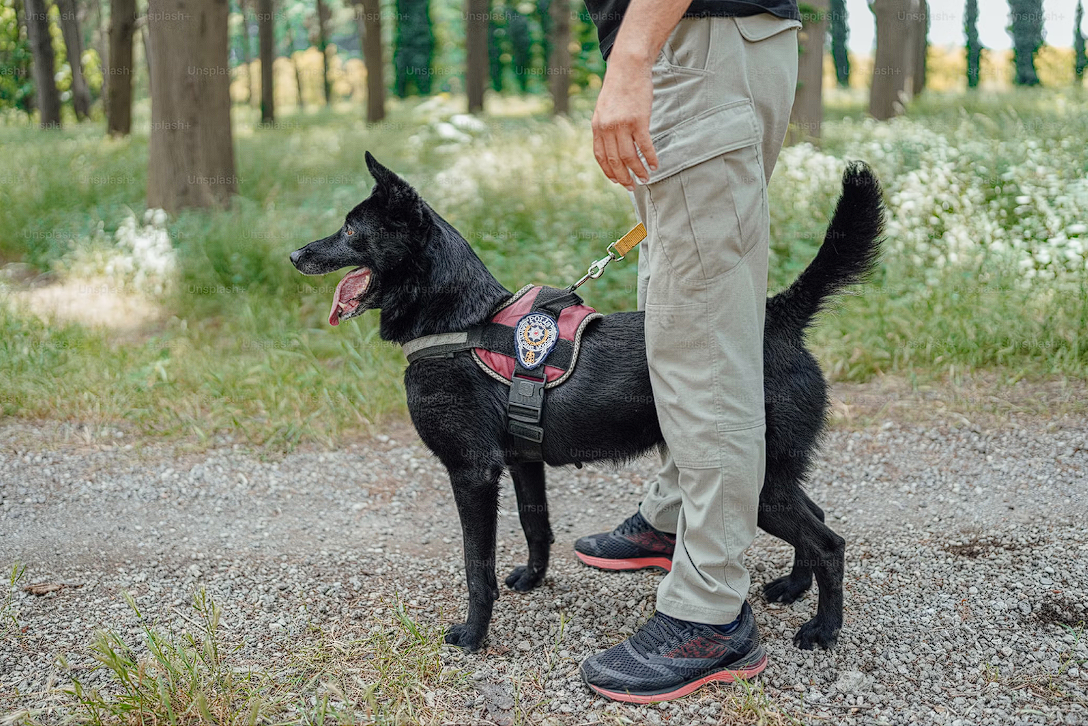
Unleashing Your Retriever's Potential: A Guide to Effective Dog Training
Retrievers, with their innate desire to please and their natural athleticism, are a joy to train. Whether you have a Golden, Labrador, Chesapeake, or Flat-Coated Retriever, their eagerness and intelligence make them excellent students. However, to truly unlock their potential, a consistent and positive approach is key.
Understanding Your Retriever's Breed Traits:
Before diving into specific commands, it's crucial to understand your retriever's inherent tendencies. They were bred for retrieving waterfowl, meaning they possess:
- Strong retrieving instincts: This makes them naturally inclined to fetch and carry objects.1
- High energy levels: They require plenty of physical and mental stimulation.2
- A love of water: Many retrievers are drawn to water and excel in water-based activities.
- A gentle mouth: They are bred to retrieve game without damaging it, which translates to a gentle disposition.
- A strong desire to please: This makes them receptive to training and praise.
Essential Training Principles:
- Positive Reinforcement: Focus on rewarding desired behaviors with treats, praise, or toys. Avoid punishment-based methods, which can create fear and anxiety.
- Consistency: Use consistent commands and hand signals. Everyone in the household should use the same cues.
- Short and Frequent Sessions: Retrievers have a good attention span, but short, engaging sessions (10-15 minutes) are more effective than long, drawn-out ones.
- Early Socialization: Expose your retriever to various people, animals, and environments from a young age to prevent fearfulness and aggression.
- Patience: Training takes time and patience. Don't get discouraged if your dog doesn't learn a command immediately.
Key Training Commands and Techniques:
- Basic Obedience:
- Sit: Hold a treat above your dog's nose and slowly move it backward, encouraging them to sit. Say "Sit" as their rear touches the ground.
- Stay: Once your dog knows "Sit," hold your hand up and say "Stay." Gradually increase the duration and distance.
- Come: Use a cheerful tone and say "Come." When your dog comes to you, reward them generously.
- Heel: Teach your dog to walk calmly by your side on a loose leash. Reward them for staying close.
- Down: Similar to "Sit," lure your dog into a down position with a treat.3
- Retrieving Training:
- Start with short retrieves using a soft toy or dummy.
- Gradually increase the distance and difficulty of the retrieves.
- Teach your dog to "Hold" and "Give" the object.
- Introduce water retrieves once your dog is comfortable with land retrieves.
- Water Training (if applicable):
- Introduce your dog to water gradually, starting with shallow areas.
- Use positive reinforcement to encourage them to swim.
- Consider enrolling in a water retrieving class.
- Hunting Training (if applicable):
- If you plan to hunt with your retriever, seek guidance from a professional trainer.
- Hunting training involves specialized commands and techniques.
Addressing Common Retriever Challenges:
- Excessive Barking: Identify the cause of the barking and address it accordingly.
- Jumping: Teach your dog to sit when greeting people.
- Chewing: Provide plenty of appropriate chew toys.
- Digging: Provide a designated digging area.
Tools and Resources:
- Leash and collar or harness
- Treats and toys
- Retrieving dummies
- Professional dog trainer or behaviorist
- Online resources and books
By understanding your retriever's breed traits, using positive reinforcement, and being consistent, you can develop a strong bond with your dog and unlock their full potential. Remember, training is an ongoing process, so continue to challenge your retriever and provide them with plenty of mental and physical stimulation.