
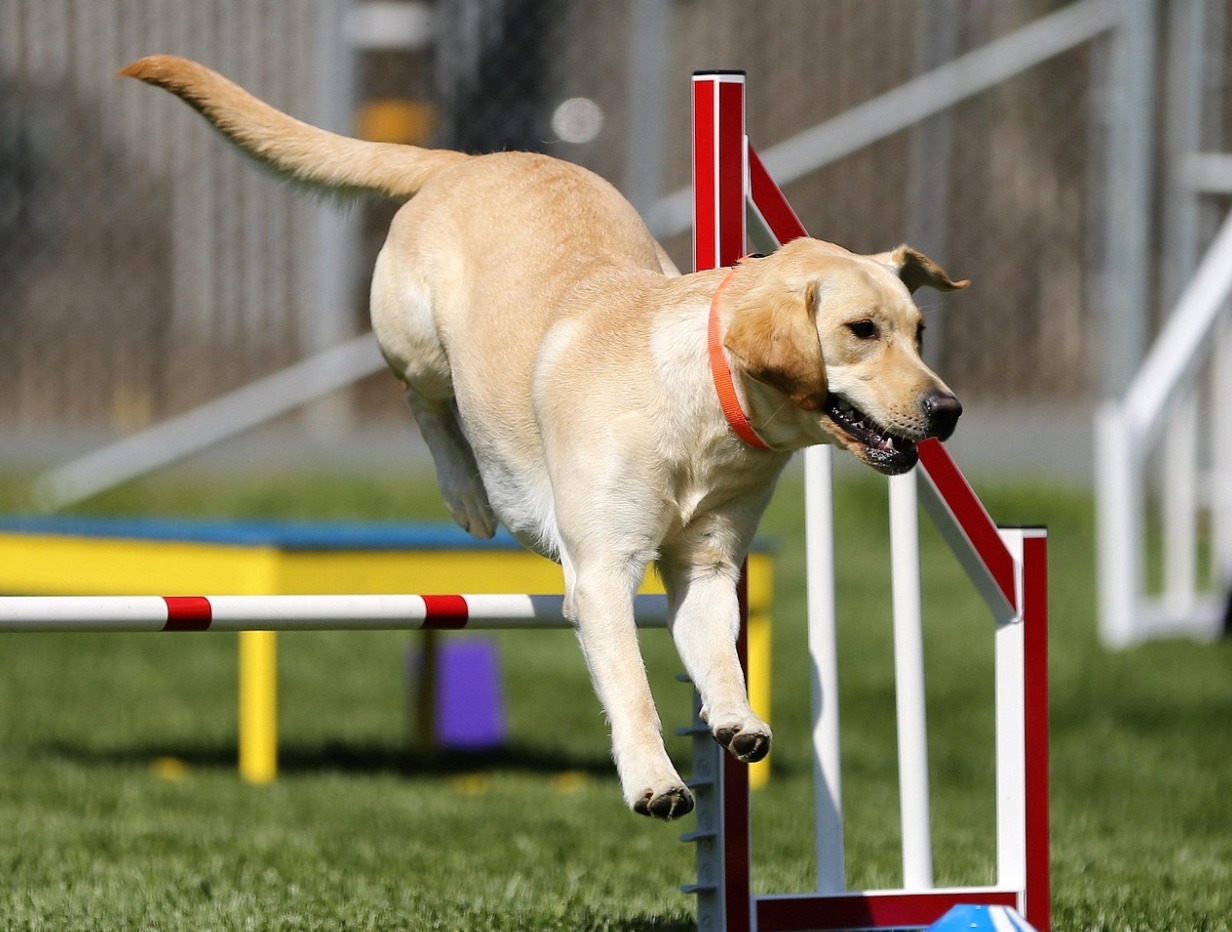
You drop your dog off for a weekend stay, hoping they come home tired and content. Instead, they bounce back with the same habits you’ve been fighting for months—pulling on leash, jumping on guests, tuning you out the second something more interesting happens.
Now picture a different version of that stay.
Your dog still gets playtime and care, but training is woven into every day: structured walks, planned downtime, practice with manners around people and other dogs. When you pick them up, you don’t just get a tired dog. You get a dog who understands a few more rules about how life with humans works.
That’s the basic idea behind combining dog training and boarding under one roof. You’re not paying for two separate services. You’re using your dog’s time away from home to speed up learning you can keep building on once they’re back.
Key Takeaways
- Combined dog training and boarding gives dogs more repetitions in a shorter time, which supports faster learning and better habit formation.
- A well-run program balances structure and rest: training sessions, play, enrichment, and quiet time all matter.
- These setups work best when owners stay involved—through clear goals, handover sessions, and follow-up practice at home.
- Not every dog or family needs an intensive stay; sometimes day training or continuing classes are a better fit.
Why Combining Training and Boarding Works So Well
At a basic level, dog training is about repetition, timing, and clarity. Behavioral research on pet dogs shows that structured training helps prevent and manage the kinds of behavior problems that often push families to their limits. When training is consistent, dogs get the same answers to the same questions: “What happens when I sit?” “What happens when I jump?” Over time, they start choosing the behaviors that reliably pay off.
A combined training-and-boarding program makes that repetition easier to deliver. Instead of a single weekly class or a quick 15-minute homework session after work, your dog might get several short training blocks throughout the day—on walks, at mealtimes, before play groups, and during structured rest. That rhythm gives trainers more chances to reward good choices and interrupt unhelpful ones before they become automatic.
Routine also matters. Dogs don’t just respond to individual cues; they respond to patterns. A well-designed program uses the boarding schedule as a training tool: same wake-up routine, consistent rules for doorways, predictable expectations around food, rest, and play. Veterinary behavior resources highlight how predictability and scheduling reduce stress and support learning, especially when enrichment and training are built into the day. When lodging and training are run together, those patterns become part of the environment instead of something bolted on as an afterthought.
What a Combined Training-and-Boarding Day Actually Looks Like
If you’ve only used standard kennels, it can be hard to picture what “training built into boarding” really means. It’s not non-stop drills or a boot camp where your dog is marched from cue to cue. A good program still respects sleep, play, and decompression.
A typical day might look like this: a calm, structured morning outing where your dog practices loose-leash walking and polite greetings on the way in and out of the building; focused training sessions spread through the day for skills like “place,” recall, or impulse control; small, supervised playgroups where manners and social skills are reinforced; and kennel or room time that isn’t just “waiting,” but includes enrichment such as puzzle feeders or short training games. Quality facilities often treat enrichment—things like scent work, food puzzles, or novel toys—as a core part of care because it supports mental health as much as physical exercise.
When boarding is attached to a full training services in Metro West program, your dog isn’t treated as a one-off visitor. They’re folded into an existing system of classes, training plans, and progress tracking. That makes it easier for trainers to adjust the level of difficulty, match them with appropriate dog groups, and ensure what they’re practicing during their stay lines up with what you’ll be working on at home.
When a Combined Program Makes Sense (and When It Doesn’t)
Combined dog training and boarding isn’t only for “problem dogs.” It’s useful any time you have a gap between what your dog currently does and what you need them to do in daily life—and limited time or energy to chip away at it on your own.
For busy families, a stay that includes training can jump-start skills like leash manners, polite greetings, crate comfort, or staying settled when people move around the house. It can also help in more complex cases: leash reactivity, anxiety in new environments, or dogs who get overstimulated around other dogs and people. Because your dog is living at the facility for a short period, trainers can carefully control exposure and build up challenges without throwing them into situations they’re not ready for.
That doesn’t mean every dog should go straight into a resident program. Puppies who are still forming basic trust may benefit from shorter day-training formats before overnight stays. Extremely fearful or medically fragile dogs might do better with in-home training or carefully managed private sessions. Owners also need to be realistic about the handoff: even the best board and train services can’t “fix” a dog in isolation. What they can do is send your dog home with clearer habits and give you a roadmap to maintain them.
How Combined Programs Help Dogs Learn Faster
Speed isn’t the only goal in training, but it does matter. When you can compress more high-quality repetitions into a shorter window, you’re more likely to see noticeable change before frustration sets in—for you or your dog. Studies on training efficiency in companion dogs point out that structured programs can both improve behavior and reduce the risk of relinquishment by addressing issues early and effectively.
Boarding adds a multiplier to that structure. Instead of trying to find five minutes between Zoom calls or soccer practice, your dog’s entire stay is built around a training-friendly schedule: work, rest, play, repeat. That rhythm is ideal for skills that benefit from short, frequent bursts of practice, like impulse control, recall, leash walking, and “place” work around daily routines like mealtimes or front-door buzzers.
There’s also the environmental factor. At home, it’s easy to unconsciously reinforce the very behaviors you’re trying to change—letting the dog pull sometimes because you’re late, giving attention to barking “just this once,” or skipping place work on busy evenings. In a combined program, staff can be relentlessly consistent in a way that’s hard for tired owners to match. Many boarding facilities that focus on training also use follow-up continuing training programs so dogs can keep practicing those same rules once they’ve gone home and returned for group work.
Making the Most of Dog Training and Boarding Under One Roof
Even the best setup won’t help much if the goals are fuzzy. Before you book a stay, write down the top three behaviors you want to see improved. Be specific: “doesn’t jump on guests,” “walks on a loose leash in the neighborhood,” or “can relax on a bed while people move around.” Bring examples of where things usually fall apart—doorbell, kids playing, other dogs passing on walks—so trainers can recreate those situations in a controlled way.
Plan to be involved at the beginning and end of the stay. A solid intake conversation lets the staff understand your dog’s history, routines, and any red flags. On pickup day, ask for a handover session instead of a quick leash pass. You want to hear what your dog practiced, see the skills in action, and get coached on exactly how to handle cues, rewards, and corrections at home. Many veterinary and boarding resources emphasize how keeping routines familiar and gradually reintroducing normal life after a stay helps dogs adjust and hang onto the progress they’ve made.
Finally, treat the board-and-train period as the start of a new habit, not the end of a project. Block out short daily training windows on your calendar for the first month after your dog comes home. Keep using the same cues and reward patterns the trainers showed you. Check in with the facility if they offer refreshers or progress checkups. The more your home life mirrors what your dog practiced while boarding, the more durable the results will be.
Conclusion
Dog training and boarding don’t have to live in separate worlds. When they’re thoughtfully combined, your dog’s time away from home becomes a concentrated block of practice, routine, and feedback that’s hard to replicate on your own. You still have to show up and do the work once they’re back, but you’re no longer starting from scratch—you’re building on a foundation that was laid, tested, and refined while your dog was in capable hands.
FAQs
How is a combined training-and-boarding program different from regular boarding?
Regular boarding focuses on keeping your dog safe, fed, and supervised. A combined program does that plus structured training sessions built into the day—on walks, before meals, during play, and in quiet time. The goal is to use your dog’s stay to actively build better habits, not just pass the time.
Is board and train a good choice for every dog?
Not always. It can be very helpful for busy families, dogs with more ingrained habits, or owners who need a jump-start on skills like leash manners or recall. Very young puppies, extremely fearful dogs, or dogs with complex medical issues may be better suited to day training, private lessons, or a slower, at-home approach.
Will my dog forget me if they stay for a training-and-boarding program?
No. Most dogs handle short-term stays well when the environment is safe, predictable, and staffed by people who understand dog behavior. They still recognize their owners and family routines when they come home; the goal is that they return with clearer expectations and stronger skills.
How long should a combined training-and-boarding stay be?
It depends on your dog and your goals. Some dogs make meaningful progress in a week, especially on basic manners. Others need two to four weeks for more complex issues like reactivity or impulse control. A good facility will evaluate your dog and give a realistic timeline instead of promising a quick fix.
What should I ask a facility before booking this kind of program?
Ask about trainer qualifications, how many structured sessions your dog will get each day, how they balance work and rest, and how they’ll communicate progress to you. It’s also worth asking how they handle setbacks and what kind of handover or follow-up support you can expect when your dog comes home.
Do I still need to train my dog at home after a board-and-train stay?
Yes. Think of the stay as a jump-start, not a full reset. Your dog learns faster in a structured environment, but they still need consistent practice in your real-world routines—front door, yard, neighborhood, and inside the house. If you keep using the same cues and boundaries your dog learned during their stay, the results are far more likely to stick.
Can a combined program help with serious behavior issues like aggression?
It can be part of the solution, but it shouldn’t be the only step. For serious aggression or safety concerns, you’ll want a facility that works closely with a veterinarian or certified behavior professional. They can build a plan that includes training and management, and they’ll be honest about what’s realistic and what support you’ll need long term.